

Blog, Wall Art Tips & Advice, Wall Decorating Ideas
Expert Tips for Choosing the Perfect Canvas Art
Canvas art can transform any space and show your style. These expert tips will help you choose the perfect pieces for your home or office.
Why Canvas Art Works
Canvas art offers texture and depth that paper prints cannot match. The fabric surface creates shadows and highlights that bring images to life. Canvas also eliminates the need for extra framing costs.
Expert Sarah Mitchell has 15 years of interior design experience. She explains: “Canvas art works beautifully in any environment because it bridges the gap between casual and formal décor. The texture adds sophistication, while the frameless presentation keeps things contemporary and approachable.”

Size Guidelines: Getting Proportions Right
Choosing the wrong size is the most common mistake people make. Follow these expert guidelines to get perfect proportions.
The Two-Thirds Rule
Interior design consultant Maria Rodriguez recommends the two-thirds rule: “Your canvas art should cover roughly two-thirds of the available wall space above furniture. This creates visual balance without overwhelming the room.”
For a standard sofa that measures 84 inches wide, choose artwork that spans about 56 inches. You can achieve this with one large piece or several smaller pieces arranged together.
Room-Specific Size Recommendations
Living Rooms: Statement pieces work best. Choose sizes from 24×36 inches to 40×60 inches above sofas or entertainment centers.
Further Reading: Wall Decor Ideas for the Living Room
Bedrooms: Smaller pieces create a calm atmosphere. Sizes between 16×20 inches and 24×36 inches work well above headboards.
Dining Rooms: Consider the room’s primary purpose. Art consultant David Park suggests: “Dining spaces are about conversation and connection. Choose canvas art that’s large enough to be appreciated but not so overwhelming that it dominates dinner discussions.”
Space and Proportion Guidelines
- Large, open spaces: Use bold, oversized canvases
- Small rooms: Choose smaller pieces or grouped mini-canvases
- Measure wall space: Aim for artwork that takes up two-thirds to three-quarters of the wall
- Consider function: Statement pieces work in living rooms, calming scenes suit bedrooms
Further Reading: The Ultimate Wall Art Sizing Guide
Color Psychology: Creating the Right Mood
Color selection goes beyond personal preference. It creates environments that support your lifestyle and emotional well-being.
Color psychology expert Dr. Jennifer Chen shares insights on how different colors can transform your living experience.
Warm Colors for Energy
Warm colors include reds, oranges, and yellows. These colors create energetic, welcoming environments. They work well in social spaces like living rooms and dining areas where you want to encourage conversation.
Dr. Chen cautions: “While warm colors create energy, they can also stimulate alertness when you’re trying to wind down for sleep.” Avoid intense warm colors in bedrooms.
Cool Colors for Calm
Blues, greens, and purples promote relaxation and mental clarity. These colors work well in bedrooms, home offices, and meditation spaces. Scientists have proven that these colors lower blood pressure and reduce stress levels.
Neutral Colors for Flexibility
Neutral canvas art features blacks, whites, grays, and earth tones. These provide flexibility for changing décor schemes.
Interior designer Tom Anderson explains: “Neutral artwork is an investment in longevity. As your furniture and color preferences change over time, neutral pieces adapt seamlessly to new design directions.”
Matching Art Style with Room Decor
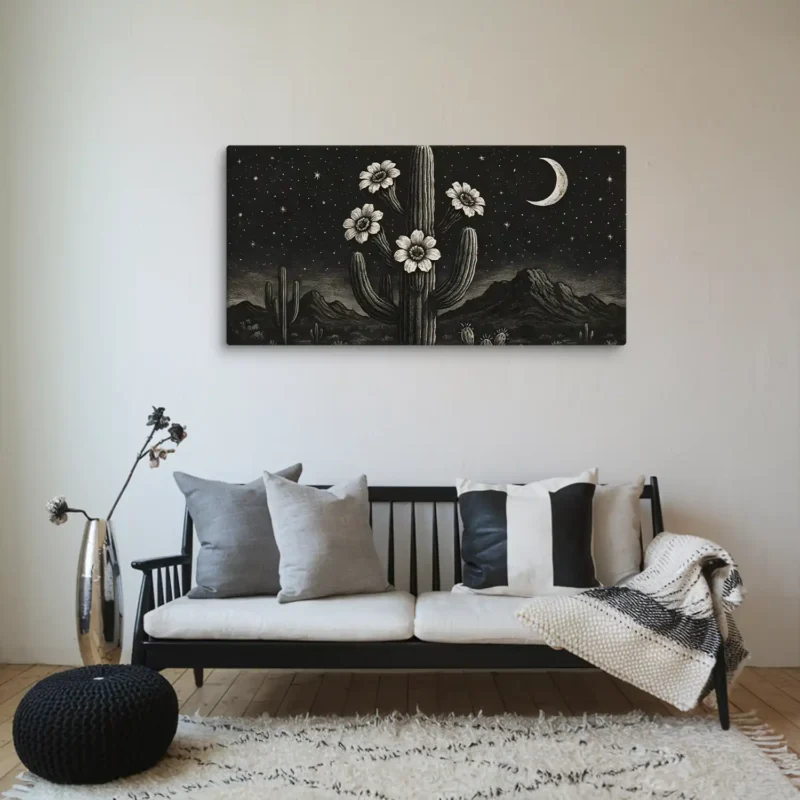
Your canvas art should work with your interior design style. Here are the best combinations for different room styles.
Modern and Contemporary Rooms
Clean-lined, minimalist spaces work well with abstract canvas art, geometric patterns, or bold photographic prints. Keep the same sense of simplicity that defines modern design.
Art curator Lisa Thompson recommends: “Look for pieces with strong focal points and uncluttered compositions. The art should feel like a natural extension of your modern aesthetic, not a departure from it.”
Traditional and Classic Settings
Traditional rooms work well with landscape paintings, still life compositions, and portraits. Canvas format lets you enjoy classical subjects without the maintenance concerns of original oil paintings.
Rustic and Farmhouse Styles
Rural and farmhouse-inspired rooms pair well with nature-themed canvas art, vintage photography, and folk art designs.
Design expert Amanda Johnson suggests: “Farmhouse style is about authenticity and connection to simpler times. Choose canvas art that feels like it has history and meaning.”
Quality Assessment: What Makes Good Canvas Art
Understanding quality helps ensure your investment provides lasting beauty and value. Technical expert Michael Davis shares insights on evaluating canvas art quality.
Canvas Material and Construction
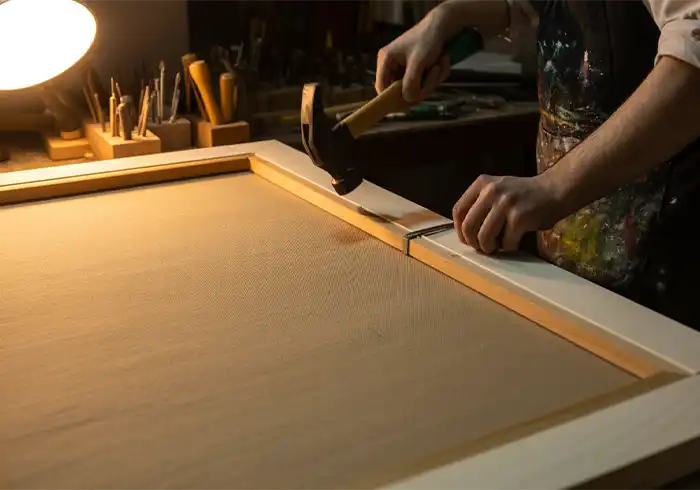
Premium canvas art uses cotton or cotton-blend materials. These provide better durability and color retention than synthetic alternatives. The weave should be tight and consistent without visible gaps. Quality stretcher bars made from kiln-dried wood prevent warping.
Print Quality and Color Accuracy
Professional-grade canvas prints use archival inks that resist fading for decades. Look for prints with sharp detail, accurate colors, and smooth gradations. UV-resistant coatings provide extra protection against sun damage.
Further Details: Canvas Print Quality Explained
Finishing Details
Quality canvas art has clean, professional finishing with proper corners and gallery-wrapped edges. The stretching should be tight and even without wrinkles. Back-stapling creates a cleaner appearance than side staples.
Details: Canvas Finishes: A Guide to Choosing the Right Surface/Edge Finish
Lighting Your Canvas Art
Proper lighting enhances the canvas art’s impact while protecting your investment. Lighting designer Rebecca Park shares professional strategies.
Natural Light Management
Natural light beautifully illuminates canvas art during the day. However, direct sunlight can cause fading and damage—position artwork away from windows with intense, direct sunlight. Use UV-filtering window treatments to protect your investment.
East and north-facing walls provide gentle, consistent natural lighting that complements canvas art without causing damage.
Artificial Lighting Solutions
Picture lights, track lighting, and strategically placed table lamps can showcase canvas art from day to night. Achieve even illumination without creating glare or hot spots. LED lighting systems offer energy efficiency and generate minimal heat.
Creating Ambiance
Designer Rebecca Park explains: “When you light artwork effectively, you’re not just illuminating the piece—you’re creating layers of light that enhance the entire room’s atmosphere.”
Budget-Smart Shopping Tips
You can create an impressive canvas art collection without unlimited resources. Follow these expert strategies.
Investment Priority Strategy
Focus your budget on pieces that serve as room anchors. Large statement pieces for main living areas deserve the highest quality materials. Smaller accent pieces in secondary locations can be more budget-friendly.
Timing Your Purchases
Art markets follow seasonal patterns. End-of-year sales, post-holiday clearances, and summer slowdowns often present opportunities for significant savings on quality canvas art.
Alternative Sources
Consider local art fairs, online marketplaces, and direct-from-artist purchases. These alternatives often provide unique pieces at competitive prices while supporting emerging artists.
Budget Guidelines
- Set a budget before shopping
- High cost doesn’t guarantee better quality
- Inspect details like color richness and frame quality
- Shop both local galleries and reputable online stores
Placement and Arrangement Techniques
Even beautiful canvas art can fall flat without proper styling and arrangement. Follow these proven techniques.
Single Statement Pieces
Large, single canvas pieces create dramatic focal points. Center large pieces at eye level, typically 57-60 inches from the floor to the center of the artwork. Adjust for furniture height and room scale.
Gallery Wall Compositions
Multi-piece arrangements offer creative expression while showcasing multiple artworks. Start by laying out your arrangement on the floor. Experiment with spacing and relationships before wall placement. Maintain consistent spacing between pieces—typically 2-3 inches.

Mixed Approaches
Advanced techniques involve layering canvas art with other decorative elements like mirrors, shelving, and sculptural objects. Balance carefully to avoid a cluttered appearance.
Arrangement Tips
- Gallery walls: Mix sizes and styles for a dynamic effect
- Single statement: Let large pieces command attention above fireplaces or sofas
- Room purpose: Select art that sets the right mood
Further Reading:
- Hanging Art on Walls: Correct Height, Spacing & Picture Layout Ideas
- Large Wall Decor Ideas: How to Decorate Big Empty Walls in Every Room (2025 Guide)
Canvas Quality and Materials
Material Types
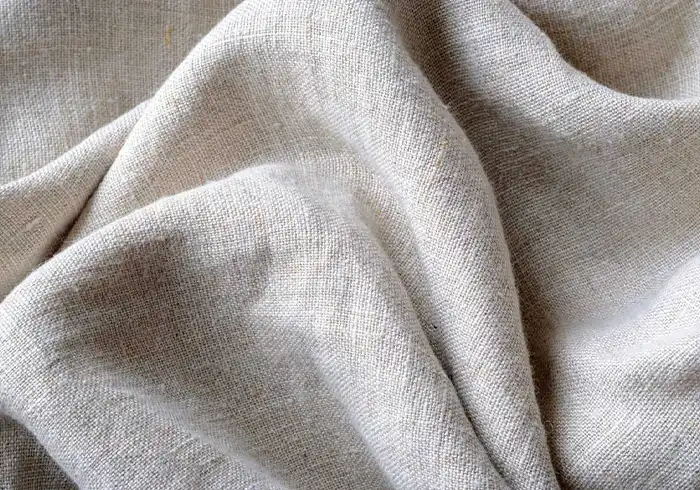
Linen canvas: Strong and suitable for oil paints
Cotton canvas: Affordable and versatile, ideal for acrylics or beginners
Details: Types of Canvas Fabric
Texture Options
Fine weave: Great for detailed, smooth artwork
Rough weave: Adds texture, ideal for expressive, abstract pieces
Priming
Gesso-primed canvas protects and prepares the surface for vivid, lasting colors.
Print and Framing Options
- Choose high-resolution prints with fade-resistant inks
- Gallery-wrapped: Frameless, modern look
- Framed: Classic, polished feel
- Original vs. Print: Originals offer uniqueness; prints are budget-friendly

If you plan to paint a canvas yourself, start with our guide to the types of paint for canvas.
Personalization Options
Make your canvas art uniquely yours with custom options:
- Family Photos: Turn cherished memories into canvas prints
- Custom Text: Add names, dates, or meaningful quotes
- Commissioned Art: Support local artists for one-of-a-kind pieces
Making the Final Decision
Follow this systematic approach to ensure satisfaction with your canvas art investment.
The 24-Hour Rule
Wait 24 hours before making significant purchases. This cooling-off time helps distinguish between impulse attraction and genuine long-term appreciation.
Visualization Techniques
Use technology to your advantage. Photograph your intended wall space and digitally place artwork options into the image. Many retailers offer tools that help visualize how pieces will look in your actual space.
Return Policy Considerations
Choose retailers with generous return policies. This allows you to evaluate pieces in your actual environment, ensuring complete satisfaction.
Practical Tips
Before You Buy
- Check return policies when buying online
- Use digital previews or tape outlines on your wall to sense scale
- Consider maintenance needs
Installation
Canvas art is generally lightweight and easy to hang, making it practical for most homes.
Care and Maintenance
- Use appropriate cleaning methods for different materials
- Control humidity levels
- Avoid direct sunlight on sensitive materials
- Secure pieces properly to prevent falls
Further Details: How to Store & Protect Canvas Paintings & Prints
Conclusion
Choosing perfect canvas art combines technical knowledge, aesthetic understanding, and personal preference. Follow expert guidance while trusting your taste to create spaces that reflect your personality.
Canvas art selection is about creating environments that inspire and support your daily life. Whether you prefer bold contemporary abstracts or gentle nature scenes, the right pieces will enhance your living experience while expressing your unique style.
Quality canvas art provides years of visual pleasure and the confidence that comes from living in thoughtfully designed spaces. Take time to consider each expert element, but don’t let over-analysis prevent you from enjoying the transformative power of beautiful wall art.
Your perfect canvas art collection awaits. With expert knowledge and explicit selection criteria, you’re ready to make choices that will enhance your living spaces for years to come.
Ready to find your perfect canvas art? Browse quality prints and original artwork. Our team can help you choose pieces that match your space and style.
Want more wall art ideas, room styling tips and first access to new Bruzzen collections? Join the list — free.
Subscribe Free →