

Choosing the right canvas fabric affects how your wall art looks and how long it lasts. Different fabrics work better for different types of art and home environments. This guide explains the main canvas types and helps you pick the best one for your needs.
1. Cotton Canvas: Most Popular Choice
Cotton canvas is the most common fabric for wall art. It offers good quality at an affordable price.
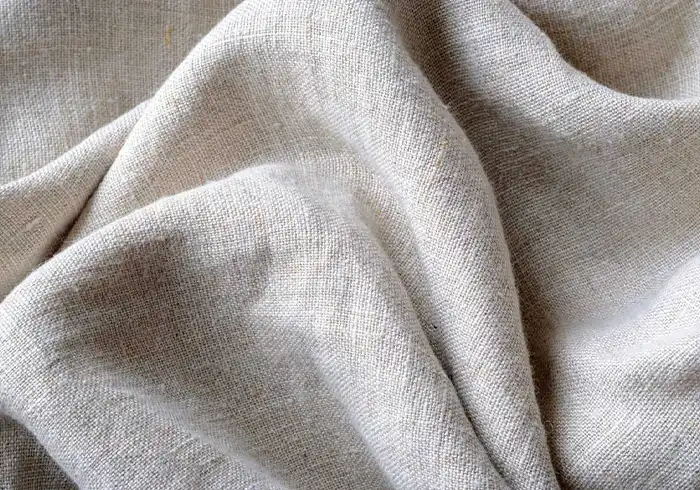
Why Cotton Works Well:
- Soft texture that looks natural
- Strong enough for stretched canvas prints
- Costs less than premium fabrics
- Has a slight texture that helps paint stick for hand-painted art
- Easy to work with for printing and painting
Best Uses for Cotton Canvas:
- Photo prints for home decor
- DIY painted wall art projects
- Gallery-wrapped canvas prints
- Budget-friendly custom artwork
Cotton Considerations: Cotton absorbs moisture more than synthetic materials. It may stretch slightly over time in humid conditions. However, quality cotton canvas with proper stretching stays tight for years.
Primed cotton canvas takes both acrylic and oil paint well. To choose between them, see our guide to the best paint for canvas.
2. Linen Canvas: Premium Quality
Linen canvas is the top choice for high-end wall art. Professional artists prefer linen for essential pieces.
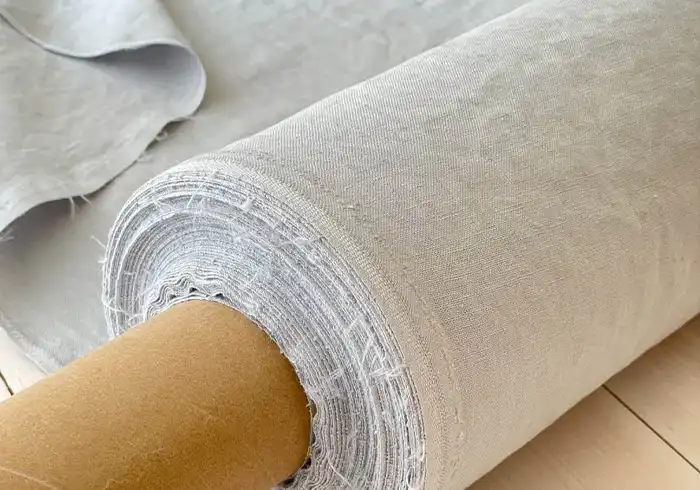
Why Linen is Premium:
- Very durable and resists warping
- Smooth, even texture, perfect for detailed artwork
- Archival quality that lasts for generations
- Maintains tension better than cotton
- Gives artwork a professional, gallery look
Best Uses for Linen Canvas:
- Luxury canvas prints for important photos
- Oil and acrylic paintings
- Fine art reproductions
- Heirloom pieces meant to last decades
Linen Considerations: Linen costs more than cotton but provides superior durability. The smooth texture shows fine details clearly. Choose linen when quality and longevity matter most.
3. Polyester Canvas: Modern and Durable
Polyester canvas uses synthetic fibers that resist damage from moisture and sunlight.
Why Polyester Works:
- Water resistant and fade resistant
- Stays wrinkle-free and maintains a smooth surface
- Works well in humid areas like bathrooms
- Costs less than linen but lasts longer than cotton
- Great for digital photo printing
Best Uses for Polyester Canvas:
- Digital photo prints that need to last
- Large murals and oversized prints
- Art for humid rooms like kitchens and bathrooms
- Outdoor-inspired decor that needs weather resistance
Polyester Considerations: Pure polyester can feel less natural than cotton or linen. However, it offers excellent durability for printed artwork. Some people prefer blended options for better texture.
4. Cotton-Polyester Blend: Best of Both Worlds
Blended canvas combines cotton comfort with polyester durability. This creates a balanced fabric that works for many uses.
Why Blends Work Well:
- More durable than pure cotton
- Costs less than linen but is stronger than cotton alone
- Good texture for both printing and painting
- Resists stretching and sagging
- Versatile for different art styles
Best Uses for Blended Canvas:
- Custom photo prints on a budget
- Mixed-media wall art projects
- High-traffic areas like living rooms and hallways
- General home decor that needs to last
Blend Considerations: Look for blends with higher cotton content for better texture. Higher polyester content provides more durability. Choose the blend ratio based on your priorities.
5. Duck Canvas: Heavy-Duty Option
Duck canvas has a tight weave that makes it very strong. It works well for large artwork that needs extra support.
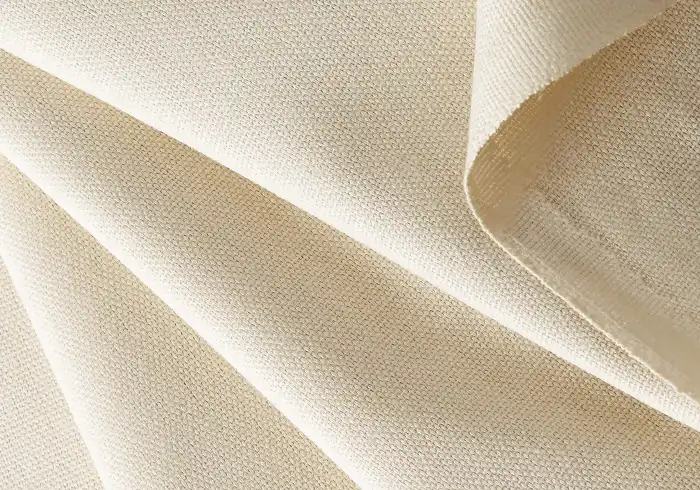
Why Duck Canvas is Strong:
- Tight weave prevents image distortion
- Holds shape well for oversized pieces
- Medium to heavyweight fabric
- Professional quality for stretched canvases
- Resists sagging even in large sizes
Best Uses for Duck Canvas:
- Extra-large photo canvases
- Abstract art with heavy textures
- Industrial-style home decor
- Artwork that will be handled frequently
Duck Canvas Considerations: Duck canvas costs more than regular cotton but less than linen. The tight weave makes it ideal for large prints where image quality matters.
Canvas Fabric Comparison
| Factor | Cotton | Linen | Polyester | Blended | Duck |
| Durability | Good | Excellent | Very High | High | Excellent |
| Texture | Slightly rough | Smooth | Smooth | Balanced | Tight weave |
| Cost | $ | $$$ | $$ | $-$$ | $$ |
| Best For | Budget decor | Premium art | Printed art | Versatile use | Large prints |
| Water Resistance | Low | Low | High | Medium | Low |
| Fade Resistance | Medium | High | Very High | High | Medium |
How to Choose the Right Canvas
Consider Your Environment
Dry Indoor Spaces: Cotton, linen, or duck canvas work well
Humid Areas: Choose polyester or poly-cotton blends
Bright, Sunny Rooms: Pick fade-resistant options like polyester or treated cotton
High-Traffic Areas: Select durable options like blended or duck canvas
Further Reading: How to Store & Protect Canvas Paintings & Prints
Match Your Budget
Budget-Friendly: Cotton or cotton-poly blends
Mid-Range: Duck canvas or pure polyester
Premium: Linen canvas for heirloom quality
Consider Art Type
Photo Prints: Poly-cotton blends or polyester for sharp images
Hand-Painted Art: Cotton or linen for paint adhesion
Large Artwork: Duck canvas for structural support
Detailed Work: Linen for smooth, even texture
Understanding Canvas Weight
Canvas weight is measured in GSM (grams per square meter). Higher GSM means thicker, more durable fabric.
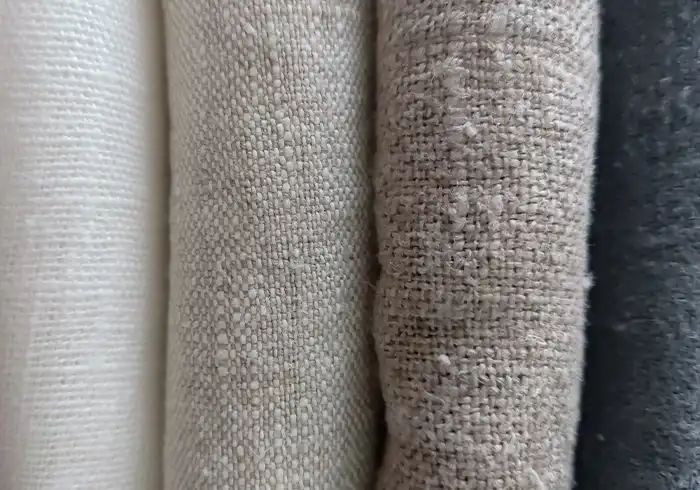
Light Weight (200-300 GSM): Good for small prints and budget projects
Medium Weight (300-400 GSM): Best for most home decor applications
Heavy Weight (400+ GSM): Ideal for large prints and professional artwork
Choose heavier canvas for larger pieces or artwork that will last many years.
Making Your Decision
The right canvas fabric makes your wall art look better and last longer. Consider these factors:
- Budget: Cotton offers good value, while linen provides premium quality
- Location: Use water-resistant options in humid areas
- Size: Choose stronger fabrics like duck canvas for large pieces
- Art Type: Match the texture to your artwork style
- Longevity: Invest in linen or quality blends for pieces you want to keep forever
Start with cotton or cotton-poly blends for most home decor projects. Upgrade to linen for special pieces or professional artwork. Choose polyester for areas with moisture or bright sunlight.
Remember that proper stretching and framing matter as much as fabric choice. A high-quality canvas with poor stretching will not look as good as a medium-grade canvas that is appropriately mounted.
Frequently Asked Questions
Which canvas fabric lasts the longest?
Linen lasts the longest, followed by duck canvas and polyester blends. Linen can last over 100 years with proper care.
Can I use outdoor canvas for indoor wall art?
Yes. Polyester and treated canvas work well indoors and provide extra durability against humidity and fading.
What’s the best canvas for photo prints?
Medium-weight cotton or poly-cotton blends provide sharp image clarity and good value. Polyester works best for photos in humid areas.
What canvas works best for acrylic painting?
Cotton canvas works well for beginners and casual painting. Linen provides the smoothest surface for professional results. Choose pre-primed canvas to prevent paint absorption.
What canvas is ideal for oil painting?
Linen is the top choice for oil painting because of its durability and smooth texture. Duck canvas also works well for larger oil paintings. Always use double-primed canvas to prevent oil from damaging the fabric.
Further Reading
- Canvas Sizes Guide
- Understanding Canvas Print Quality: What to Look For Before You Buy
- Canvas Finishes: A Guide to Choosing the Right Surface/Edge Finish
- The Benefits of Canvas Wall Art: Why It’s a Must-Have for Every Home
- Metal vs. Canvas Prints: Picking the Best Wall Art Material for Your Budget & Style
- Acrylic vs. Canvas Prints: Which Offers the Best Value and Aesthetics?
- How to Hang Art and Pictures without Nails/Drilling
- Top 7 Benefits of Metal Wall Art: Why It’s Perfect for Indoor & Outdoor Spaces
- Wall Decor Ideas for Living Room: Modern, Elegant & Cheap Ways to Style Any Space
Sources
Want more wall art ideas, room styling tips and first access to new Bruzzen collections? Join the list — free.
Subscribe Free →