

A canvas print transforms your favorite artwork into lasting, gallery-worthy decor—but only if it’s made right. Poor quality means blurry images and faded colors within months.
Actual gallery-quality prints need three things: premium canvas material, fade-resistant pigment inks, and solid wood frames, paired with perfectly sized, high-resolution images. Get these right, and your memories stay vibrant for decades. Here are the details to ensure that you choose the best
Key Quality Factors to Consider
1. Canvas Material: Variations and Properties
The canvas material is the foundation of print quality. It affects how long the print lasts, its feel, and its appearance. Understanding different canvas types helps you make a wise buying decision.
Cotton Canvas
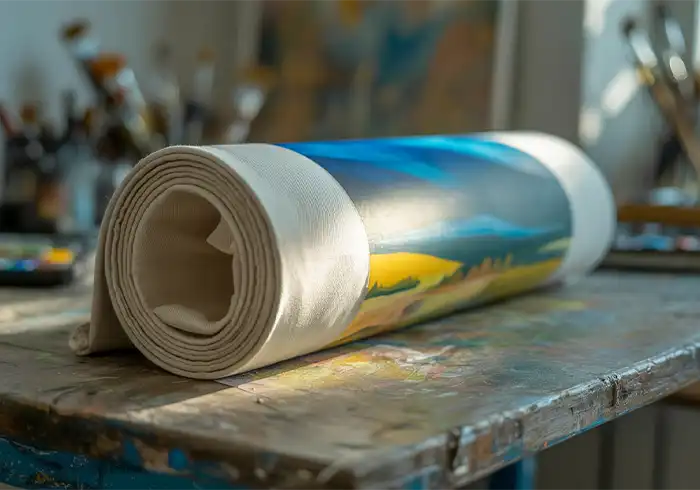
Cotton canvas is a natural material. It offers excellent print quality and archival properties. This makes it perfect for fine art and important photos. Cotton has a natural texture that helps ink stick well to the surface. It is soft, breathable, and safe for people with allergies.
Cotton works best with DTG (Direct-to-Garment) and DTF (Direct-to-Film) printing. These methods create bright colors and sharp details. However, cotton absorbs liquids easily, so it may need special preparation for some uses.
Polyester Canvas
Polyester is a synthetic material. It is very durable and resists water well. It also resists wrinkles and keeps its shape and color. Polyester is less likely to stain, shrink, or stretch. It dries quickly and costs less than cotton.
Polyester works great in high-traffic areas, outdoors, or in places with changing humidity. It works best with sublimation or all-over printing methods. These create very bright and long-lasting colors. However, polyester is less breathable than cotton and may hold odors. It does not work well with DTG printing because it does not absorb ink as well as cotton.
Cotton-Polyester Blends
These blends combine the best features of both materials. They offer the comfort of cotton with the durability of polyester. Blends reduce shrinking and wrinkles while providing good color brightness. They work with multiple printing methods and often cost less than pure cotton.
The choice of canvas affects which printing method works best. Cotton absorbs ink well, making it perfect for DTG and DTF printing. Polyester bonds with dyes at a molecular level, making it ideal for sublimation printing. Using the wrong combination can lead to poor results.
Canvas Material Comparison
| Canvas Type | Durability | Best For | Key Benefits | Key Drawbacks | Printing Methods |
| Cotton | Good | Fine art, Photos | Excellent print quality, Natural texture, Soft, Breathable | Absorbs liquids, May need special prep | DTG, DTF |
| Polyester | Excellent | Commercial, High-traffic, Outdoor | Very durable, Water resistant, Keeps shape, Quick-drying, Budget-friendly | Less breathable, Can hold odors, Less eco-friendly | Sublimation, All-over printing, DTF |
| Cotton-Poly Blend | Very Good | General use, Budget-friendly | Combines cotton comfort with polyester durability, Good colors | Less breathable than pure cotton, May pill over time | DTG, DTF, All-over printing |
2. Ink Technology: Ensuring Colors Last
The type of ink used is the most critical factor for color accuracy, brightness, and fade resistance. This largely determines how long your print will last.
Pigment Inks
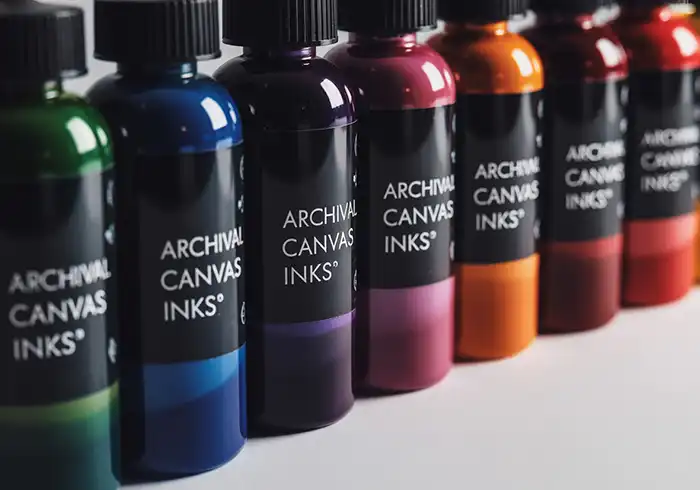
Pigment inks contain solid color particles suspended in liquid. These particles sit on the canvas surface and form a strong bond. This gives them superior performance.
Pigment inks last much longer and resist fading, even in direct sunlight. They also resist water damage better than other inks. They have excellent archival qualities and resist chemical breakdown. This means prints stay sharp and clear for decades or even centuries.
Modern pigment inks produce highly accurate and brilliant colors. They work best for high-end applications, fine art prints, and professional photos. They are the best choice for long-term preservation.
One consideration is that pigment particles sit on the surface. They can smudge or scratch if not handled carefully while drying.
Dye Inks
Dye inks absorb directly into the canvas fibers. They produce stunning, high-saturation prints with great visual appeal. However, they fade quickly when exposed to UV light. This fading can happen within months or weeks with cheaper dyes.
Dye inks are also prone to water damage. Exposure to water or humidity can cause them to run or smudge. They work best for budget projects or short-term use where longevity is not important.
Ink Type Comparison
| Ink Type | How It Works | Longevity | UV Resistance | Water Resistance | Color Quality | Best Use | Important Notes |
| Pigment | Particles sit on surface | Superior (decades to centuries) | Excellent | Superior | Highly accurate, Brilliant colors | Fine art, Archival photos, High-end use | Can smudge if not dried properly |
| Dye | Absorbs into canvas | Limited (months to years) | Poor | Poor | High saturation, Good visual appeal | Budget projects, Short-term use | Fades quickly, Water damage prone |
3. Stretching and Framing: The Print’s Structure
The frame and stretching method prevent warping and sagging. They help maintain a professional, tight appearance over time.
Stretcher Bar Quality
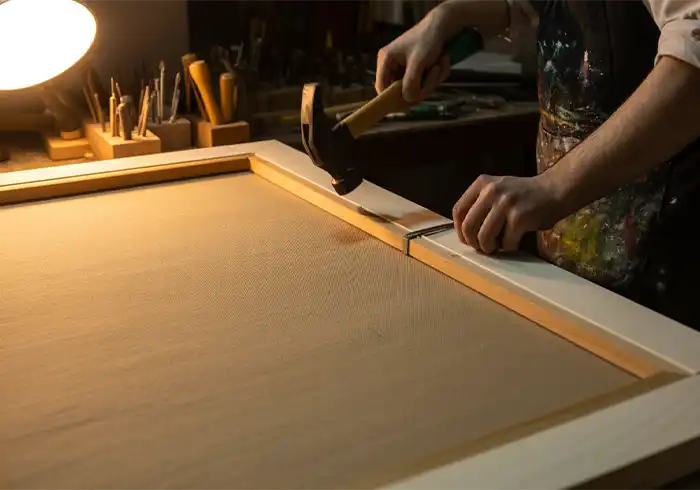
High-quality canvas prints use strong wooden frames. These are usually made from kiln-dried pine or fir. Kiln-drying removes moisture from wood and prevents warping over time. Avoid cheap, lightweight wood or plastic frames. These bend, break, or warp easily.
Good stretcher bars have rounded edges. This prevents the canvas from cracking where it wraps around the frame.
Stretching Methods
Gallery Wrap is a popular method. The image extends around the sides and is secured at the back. This creates a seamless, professional look that is ready to hang without an external frame.
Regular Bars use thinner stretcher bars. The print is stapled on the sides. This method works for prints that will be framed later.
Keyable Canvas Stretchers have minor wooden keys in the corners. These can be tapped to expand the frame slightly. This adjusts tension across the canvas. This feature is essential because canvas naturally stretches over time. Keyable stretchers let you adjust tension to keep the canvas tight.
4. Image Resolution: Getting Clear Prints
Image resolution directly affects clarity, sharpness, and detail in your final print. A low-resolution image will create a blurry or pixelated print, no matter how good the canvas or printing process.
Recommended DPI (Dots Per Inch)
For most canvas prints, use 150-300 DPI. For larger prints (over 16×20 inches), 150 DPI works well if viewed from far away. For close viewing, aim for 300 DPI for sharper, more detailed images.
Calculating Required Resolution
Use this formula: Print Size (inches) × DPI = Required Image Resolution (pixels)
Example: For a 16×20 inch print at 300 DPI:
- Width: 16 inches × 300 DPI = 4,800 pixels
- Height: 20 inches × 300 DPI = 6,000 pixels
- Required resolution: 4,800 × 6,000 pixels
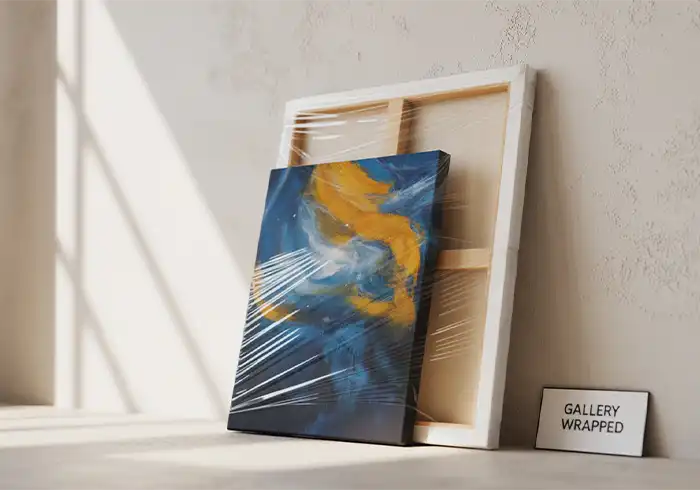
Image Quality Tips
Start with professional-quality images with clear, sharp details. Most modern digital cameras with 3+ megapixels work for various print sizes. For huge prints (24×36 inches), use images with more than 8 megapixels.
Save images in lossless formats like TIFF or RAW to preserve maximum detail. Remember: blurry images will look worse when enlarged on canvas.
Resolution Guide for Canvas Prints
| Print Size | Close Viewing DPI | Distance Viewing DPI | Minimum Megapixels | Viewing Distance |
| Small (8×10) | 300 DPI | 200-300 DPI | 2 MP | Up close (desk, hallway) |
| Medium (16×20) | 300 DPI | 150-300 DPI | 3 MP | Moderate (living room) |
| Large (24×36) | 300 DPI | 150 DPI | 8 MP | Distant (large room, gallery) |
5. Protective Coatings: Preserving Your Investment
Protective coatings and archival standards protect canvas prints from damage. They ensure the print lasts for decades while keeping its bright appearance.
UV Protection
UV rays from sunlight cause colors to fade over time. Choose canvas prints with UV-protective coating. While high-quality pigment inks already resist fading, an extra coating provides more protection.
Water Resistance and Lamination
Dye inks are easily damaged by water. They can run or smudge when exposed to moisture. Pigment inks naturally resist water better than dye inks.
Some high-quality canvases have water-resistant coatings. Many companies offer canvas lamination. This protective coating makes the print more durable and resistant to moisture and scratches. It can also make colors more intense and give a polished look.
Archival Quality
“Archival quality” means materials and processes designed to make prints last for decades or centuries without fading or damage. This standard is often called “museum-quality.”
True archival quality requires several components:
- Archival-grade canvas (certified for 100+ year display life)
- Archival-grade pigment inks (resist chemical breakdown)
- Protective coatings (UV-protective and water-resistant layers)
Further Reading: How to Store & Protect Canvas Paintings & Prints
6. Color Accuracy: Getting What You Expect
Color accuracy means the final canvas print matches the original image colors. This ensures the emotional impact and visual intent are preserved.
Partner with companies specializing in color calibration and proofing services. These companies use advanced color management systems for consistency from screen to print.
Many online retailers provide digital previews or free digital proofs. This lets customers review how their print will look before production.
Color accuracy requires both company expertise and customer participation. The printing company handles technical calibration and quality control. The customer must review and approve digital proofs. Both parties share responsibility for the final result.
Choosing a Good Provider
Even with knowledge of quality factors, the expertise and commitment of the printing company matter most. A good provider combines all quality elements effectively.
Customer Reviews
Customer reviews are one of the best ways to judge consistent quality. Look for reviews that mention durability, color accuracy, and overall satisfaction. Companies with consistently positive feedback across multiple reviews are considered reliable.
Guarantees and Proofs
Good companies stand behind their products. Look for strong guarantees like “100% Love it guarantee.” These show confidence in craftsmanship and commitment to customers.
Transparency is key. Companies that offer free digital proofs let customers review their photos before printing. This reduces the risk of disappointment.
Pricing Considerations
High-quality materials and skilled work cost money. However, great canvas prints do not require huge spending. Compare pricing across good providers. Make sure comparisons are based on similar quality levels and included features.
“Museum-Quality” Claims
Top providers often use terms like “museum-quality,” “archival,” and “giclee printing.” These terms indicate quality, but verify claims by asking about specific materials used.
Frequently Asked Questions
What is the highest quality canvas print?
Premium canvas material (certified for 100+ year display life)
Archival pigment inks (superior longevity and color accuracy)
Durable, kiln-dried wooden stretcher bars (often keyable)
Professional gallery-wrap finish
Optimal image resolution (300 DPI for most sizes)
UV-protective coating or lamination
Advanced printing methods by a reputable company
Who has the best quality canvas print?
Companies consistently recognized for high-quality prints use archival-grade materials, pigment inks, sturdy frames, and offer customer services like digital proofs and satisfaction guarantees.
Do canvas prints come out blurry?
Canvas prints can be blurry if the original image is low resolution or of poor quality. When a low-resolution image is enlarged, pixels become visible, creating a blurry appearance. Use high-resolution images (300 DPI for close viewing, 150 DPI minimum for distance viewing) to prevent blurriness.
Do canvas pictures fade?
Yes, canvas pictures can fade over time, especially with lower quality materials or harsh conditions. UV light is the main cause of fading. Prints with dye-based inks fade quickly. High-quality prints use archival pigment inks and UV-protective coatings to resist fading significantly.
What resolution is best for canvas prints?
The best resolution ranges from 150 to 300 DPI. For large prints viewed from far away, 150 DPI works well. For smaller prints or close viewing, 300 DPI is ideal. Use original images with 3+ megapixels for most print sizes, and 8+ megapixels for huge prints (24×36 inches).
In a nutshell…
A high-quality canvas print isn’t about one perfect feature—it’s about getting everything right. The best prints combine premium canvas material, fade-resistant pigment inks, solid wooden frames, high-resolution images, and protective coatings working together.
Choose providers who are transparent about their materials, offer digital proofs, and have strong customer reviews and guarantees.
When all these elements align, your canvas print becomes more than decoration—it becomes a lasting piece that preserves your memories beautifully for decades to come.
Further Reading
- Canvas Finishes: A Guide to Choosing the Right Surface/Edge Finish
- Canvas Sizes Guide
- The Benefits of Canvas Wall Art: Why It’s a Must-Have for Every Home
- Metal vs. Canvas Prints: Picking the Best Wall Art Material for Your Budget & Style
- Acrylic vs. Canvas Prints: Which Offers the Best Value and Aesthetics?
- Stunning Wall Decor Ideas for Your Living Room
Want more wall art ideas, room styling tips and first access to new Bruzzen collections? Join the list — free.
Subscribe Free →