

Materials, Blog, Wall Art Tips & Advice
Canvas Finishes: A Guide to Choosing the Right Surface/Edge Finish
Canvas prints are a beautiful way to display artwork, photographs, and personal designs. The finish you choose can dramatically change how your piece looks, how long it lasts, and how it fits into your space. Understanding different canvas finishes helps you make the best choice for your artwork.
This guide explores the most popular canvas finishes and their benefits. We’ll cover matte, satin, glossy, iridescent, and vintage finishes. You’ll learn which finish works best for different types of art and spaces.
What Are Canvas Finishes?
Canvas finishes refer to the protective coating or varnish applied to the canvas surface. This coating affects how light reflects off the surface and how colors appear. The finish also protects your artwork from dust, moisture, and fading.
Canvas finishes include two main elements:
- Surface finish: The type of coating (matte, satin, or gloss)
- Edge finish: How the canvas edges are treated (gallery wrap, mirrored edges, or solid color)
Types of Canvas Surface Finishes
1. Matte Canvas Finish: Classic and Low-Glare
Matte finish provides a flat, non-reflective surface. This finish absorbs light instead of reflecting it.

Key Features of Matte Finish
- Low glare: Reduces reflections from windows and lights
- Timeless appeal: Creates a smooth, elegant appearance
- Enhanced detail: Shows subtle details and darker tones clearly
- Fingerprint resistant: Doesn’t show smudges or fingerprints easily
- Professional look: Gives artwork a gallery-quality appearance
Best Uses for Matte Finish
- Black-and-white photography
- High-contrast images with deep shadows
- Gallery-style displays in museums or offices
- Modern and minimalist interior designs
- Brightly lit rooms with lots of natural light
Advantages and Considerations
Advantages:
- Works well in any lighting condition
- Reduces eye strain from glare
- Gives artwork a sophisticated, professional look
- Hides surface imperfections well
Considerations:
- Colors may appear slightly less vibrant than glossy finishes
- Surface can collect dust more easily than glossy surfaces
2. Satin Canvas Finish: The Perfect Balance
Satin finish offers a subtle sheen between matte and gloss. This finish provides a gentle shine without high reflectivity.
Key Features of Satin Finish
- Semi-glossy surface: Provides subtle shine and depth
- Enhanced texture: Shows brushstrokes and canvas texture beautifully
- Versatile appearance: Works in both residential and commercial spaces
- Color enhancement: Makes colors appear richer than a matte finish
- Moderate reflection: Less glare than glossy but more shine than matte
Best Uses for Satin Finish
- Fine art reproductions of oil paintings
- Portrait photography with warm tones
- Landscape artwork with natural colors
- Spaces with controlled or moderate lighting
- Traditional and contemporary art styles
Advantages and Considerations
Advantages:
- Balances color vibrancy with reduced glare
- Mimics the appearance of conventional oil paintings
- Works well in most lighting conditions
- Enhances texture and depth
Considerations:
- May show slight reflections in very bright light
- Requires more careful cleaning than matte finish
3. Glossy Canvas Finish: Vibrant and Eye-Catching
Glossy finish creates a shiny, reflective surface that enhances color saturation and creates depth.
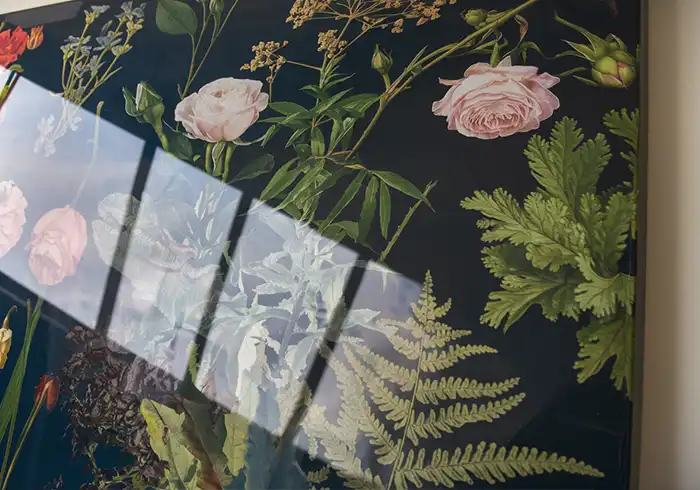
Key Features of Glossy Finish
- High color saturation: Makes colors appear more vivid and dynamic
- Reflective surface: Adds depth and dimension to images
- Luxurious appearance: Creates a polished, high-end look
- Maximum contrast: Enhances the difference between light and dark areas
- Wet look: Gives artwork an almost liquid appearance
Best Uses for Glossy Finish
- Travel and nature photography with bright colors
- Pop art and modern graphic designs
- Commercial displays and advertising
- Contemporary artwork with bold colors
- Spaces with controlled, directional lighting
Advantages and Considerations
Advantages:
- Creates maximum color impact and vibrancy
- Makes artwork appear more dimensional
- Easy to clean with a soft cloth
- Protects well against moisture
Considerations:
- Prone to glare in bright lighting
- Shows fingerprints and smudges easily
- May create unwanted reflections
- Requires careful positioning away from direct light sources
4. Iridescent and Vintage Finishes: Unique and Artistic
These specialty finishes offer unique visual effects for specific artistic purposes.
Iridescent Finish Features
- Pearlescent sheen: Reflects light with rainbow-like colors
- Color-changing effect: Appearance changes based on viewing angle
- Magical quality: Adds ethereal, mystical appearance to artwork
- Light sensitivity: Looks different under various lighting conditions
Vintage Finish Features
- Aged appearance: Creates an antique, weathered look
- Nostalgic feel: Perfect for retro and classic themes
- Textured surface: May include cracking or distressing effects
- Warm tones: Often has a sepia or warm color cast
Best Uses for Specialty Finishes
Iridescent Finish:
- Fantasy and abstract artwork
- Wedding and special event photography
- Children’s room decorations
- Artwork with mystical or magical themes
Vintage Finish:
- Historical photographs and documents
- Retro-style artwork and posters
- Vintage-themed interior designs
- Classic movie or music memorabilia
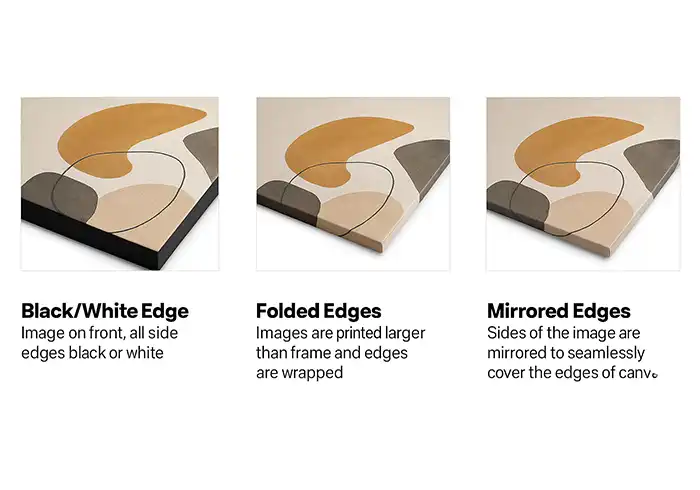
Canvas Edge Finishes
The edges of your canvas can be finished in several ways to complete the overall appearance.
Gallery Wrap
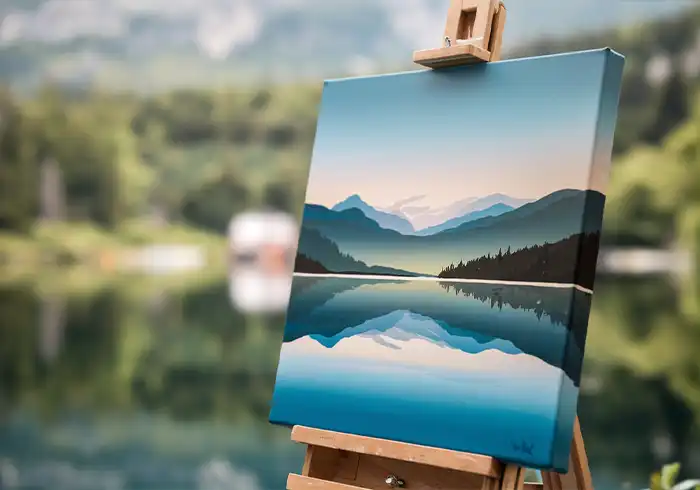
The canvas stretches around a wooden frame. The image wraps around the edges, creating a complete, frameless piece ready to hang.
Advantages:
- No frame needed
- Modern, clean appearance
- Image continues around edges
- Ready to hang immediately
Best for:
- Contemporary artwork
- Modern interior designs
- Large statement pieces
Mirrored Edges
The image reflects onto the canvas edges. This creates a wrap effect without losing any of the original image content.
Advantages:
- Preserves the entire original image
- Creates an interesting visual effect
- No plain edges showing
- Works well with most artwork
Best for:
- Photography with important edge details
- Artwork where the entire image matters
- Pieces with busy or detailed borders
Solid Color Edges
A single color(mostly black or white) covers the canvas edges. This creates a clean, polished border around the image.
Advantages:
- Clean, professional appearance
- Complements any artwork style
- Easy to match room décor
- Minimizes distractions from the main image
Best for:
- Traditional artwork
- Formal displays
- Conservative interior designs
Canvas Material and Texture Options
Canvas Materials
| Material | Characteristics | Best For |
| Cotton | Affordable, versatile, good for most prints | General artwork, photography |
| Linen | Premium quality, fine texture, archival | Fine art reproductions, professional displays |
| Synthetic | Durable, moisture-resistant, consistent | High-humidity areas, outdoor displays |
Canvas Textures
| Texture | Description | Visual Effect |
| Fine/Smooth | Minimal texture, smooth surface | Sharp detail, photographic prints |
| Medium | Moderate texture, visible weave | Traditional artwork, balanced detail |
| Coarse | Heavy texture, pronounced weave | Artistic effect, rustic appearance |
How to Choose the Right Canvas Finish
Consider Your Lighting Conditions
Bright rooms with lots of natural light:
- Choose a matte or satin finish to reduce glare
- Avoid glossy finishes near windows
- Consider UV-protective coatings
Controlled or dim lighting:
- Glossy or iridescent finishes work well
- Satin provides a good balance
- Specialty lighting can enhance any finish
Mixed lighting conditions:
- Satin finish offers the best versatility
- Test different finishes if possible
- Consider where the artwork will hang most often
Match Finish to Your Art Style
| Art Style | Recommended Finish | Reason |
| Photography | Glossy or Satin | Enhances color and detail |
| Oil Painting Reproductions | Satin or Matte | Mimics traditional canvas texture |
| Black and White Images | Matte | Reduces glare, enhances contrast |
| Pop Art/Graphics | Glossy | Maximizes color impact |
| Vintage/Historical | Vintage or Matte | Complements aged appearance |
| Abstract Art | Any finish | Depends on desired effect |
Think About Room Purpose and Traffic
High-traffic areas:
- Matte or satin finishes hide fingerprints better
- Consider protective UV coatings
- Choose durable edge finishes
Formal spaces:
- Matte finish for a sophisticated look
- Gallery wrap for a modern appearance
- Consider artwork lighting
Casual living areas:
- Satin provides a good balance
- Glossy works for bold statements
- Consider family-friendly options
Consider Durability Factors
UV exposure:
- Look for UV-protective coatings
- Matte finishes generally fade less
- Position artwork away from direct sunlight
Humidity and moisture:
- Glossy finishes resist moisture better
- Synthetic canvas materials last longer
- Consider bathroom and kitchen placement
Cleaning and maintenance:
- Glossy surfaces clean easily but show smudges
- Matte surfaces hide dirt but are harder to clean
- Satin provides a good balance
Finish Selection Quick Guide
For Photographers
- Color photos: Glossy or satin for maximum impact
- Black and white: Matte for classic gallery look
- Portraits: Satin for flattering skin tones
- Landscapes: Satin or glossy for natural colors
For Artists
- Oil painting reproductions: Satin to mimic the original texture
- Watercolor reproductions: Matte for authentic appearance
- Digital art: Glossy for maximum color saturation
- Mixed media: Choose based on dominant medium
For Home Decorators
- Modern homes: Glossy or satin with gallery wrap
- Traditional homes: Matte or satin with solid color edges
- Bright rooms: Matte to reduce glare
- Accent walls: Glossy for dramatic impact
Maintenance and Care Tips
Cleaning Different Finishes
Matte Finish:
- Use a soft, dry microfiber cloth
- Avoid water or cleaning solutions
- Dust gently to prevent scratching
Satin Finish:
- Use a slightly damp microfiber cloth
- Clean gently in circular motions
- Dry immediately with a soft cloth
Glossy Finish:
- Clean with a soft, lint-free cloth
- Use minimal moisture if needed
- Buff dry to prevent water spots
Protecting Your Canvas
- Keep away from direct sunlight
- Maintain stable temperature and humidity
- Handle with clean hands
- Store properly if moving or storing
Special Considerations
Professional Printing Quality
When choosing canvas finishes, also consider:
- Print resolution: Higher resolution works better with glossy finishes
- Color calibration: Ensure accurate color reproduction
- Archival inks: Use fade-resistant inks for longevity
- Professional mounting: Proper stretching prevents sagging
Budget Considerations
Higher cost finishes:
- Iridescent and specialty finishes
- Premium canvas materials (linen)
- Professional UV coatings
Budget-friendly options:
- Standard matte or satin finishes
- Cotton canvas materials
- Simple edge treatments
Conclusion
Choosing the right canvas finish elevates your artwork from ordinary to extraordinary. Each finish offers unique benefits for different types of art and spaces.
Key takeaways:
- Matte finish works best for bright spaces and sophisticated looks
- Satin finish provides a perfect balance for most situations
- Glossy finish maximizes color impact but requires careful placement
- Specialty finishes create unique effects for specific purposes
- Consider lighting, art style, and room purpose when choosing
Final recommendations:
- Photographers should consider glossy or satin for color impact
- Artists might prefer matte or satin for a traditional appearance
- Home decorators should match the finish to the lighting and room aesthetics
- Always consider long-term durability and maintenance needs
Transform your photos and artwork into stunning canvas prints by choosing the finish that best matches your vision and space. Take time to consider all factors, and don’t hesitate to request samples when making important decisions for valuable artwork.
Further Reading
- Canvas Sizes Guide
- Understanding Canvas Print Quality: What to Look For Before You Buy
- The Benefits of Canvas Wall Art: Why It’s a Must-Have for Every Home
- Different Canvas Fabric Types for Wall Art: Complete Guide
- How to Store & Protect Canvas Paintings & Prints
- Picture Frame Types for Wall Decor Explained
- Metal vs. Canvas Prints: Picking the Best Wall Art Material for Your Budget & Style
- Acrylic vs. Canvas Prints: Which Offers the Best Value and Aesthetics?
Want more wall art ideas, room styling tips and first access to new Bruzzen collections? Join the list — free.
Subscribe Free →