

Blog, Wall Art Tips & Advice
What Types of Paint to Use on a Canvas: A Complete Guide
Choosing the right paint for your canvas artwork is essential for getting professional results. The paint you choose affects both the appearance of your artwork and its longevity.
The most popular and effective paint types for canvas include acrylic paints, oil paints, tempera paints, gouache, and spray paints. Each medium offers unique characteristics, advantages, and considerations that can dramatically impact your artistic process and final results.
This guide will help you understand more about the paint types and choose the best one for your project.
Acrylic Paint: The Most Popular Choice
Why Acrylic Paint Works Best on Canvas
Acrylic paint is the top choice for canvas painting. This water-based paint offers great versatility, quick drying times, and excellent sticking power to canvas surfaces. Acrylic paints work perfectly for beginners and professionals. They provide bright colors and easy cleanup with just soap and water.

Types of Acrylic Paint for Canvas
Heavy Body Acrylics: These thick, creamy paints keep brush strokes visible. They work well for impasto techniques. Professional brands include Golden Heavy Body and Liquitex Heavy Body.
Fluid Acrylics: These thinner paints flow smoothly across canvas. They work perfectly for glazing, washes, and detailed work. They keep color strength while flowing easily.
Student Grade vs. Professional Grade: Professional acrylics contain more pigment and better lightfastness. Student grades cost less but may have weaker colors.
Advantages of Acrylic Paint on Canvas
- Fast drying time (30 minutes to 2 hours)
- Water-soluble when wet, permanent when dry
- Excellent color retention and lightfastness
- No toxic fumes or solvents needed
- Easy cleanup and maintenance
- Can mix with various mediums for texture effects
Best Uses for Acrylic Paint
- Beginner projects
- Quick-drying artwork
- Bold colors
- Mixed media projects
- Layering techniques
Oil Paint: The Traditional Master’s Choice
Understanding Oil Paint for Canvas
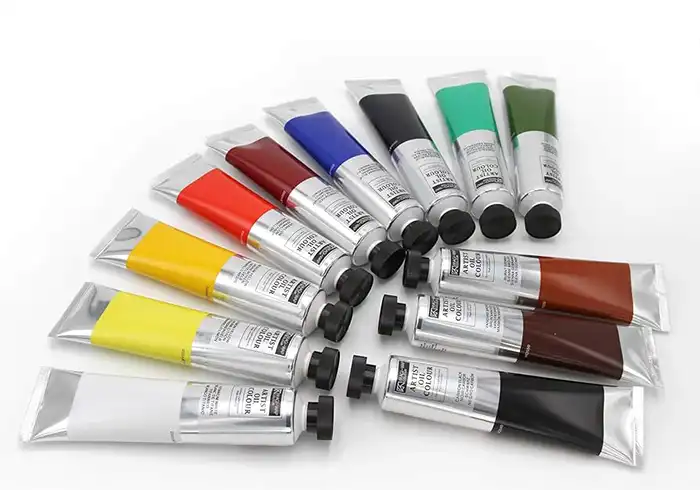
Oil paint has been the preferred medium of master painters for centuries. Oil paints use pigments mixed in oil (usually linseed oil). They offer excellent blending abilities and long working times. The slow drying allows artists to work and rework areas for days or weeks.
Canvas Preparation for Oil Paint
Oil paints need proper canvas preparation. The oil can seep into canvas fibers and damage them. Always use quality gesso primer or oil-specific primer before applying oil paint to canvas.
Benefits of Oil Paint on Canvas
- Extended working time for blending and corrections
- Rich, bright colors with excellent depth
- The traditional technique used by master artists
- Superior color mixing abilities
- Professional archival quality when correctly applied
Considerations for Oil Paint
- Longer drying time (days to months for complete cure)
- Requires solvents for cleanup and thinning
- Proper ventilation necessary
- More expensive than acrylic alternatives
- Requires understanding of fat-over-lean technique
Tips for Using Oil Paints on Canvas
- Always prime the canvas with gesso to prevent oil seepage
- Follow the “fat over lean” rule (thicker layers over thinner ones)
- Use linseed oil or liquin to modify drying time and texture
Watercolor Paint: Light and Translucent Effects
Understanding Watercolor on Canvas
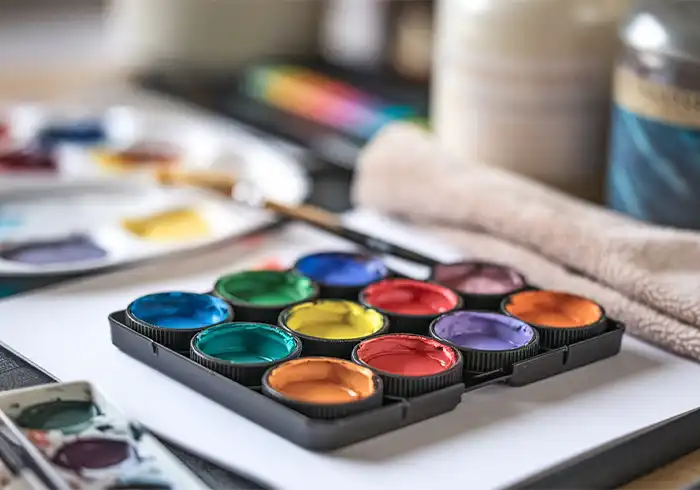
Watercolor paint creates soft, see-through effects. This paint works best for delicate artwork with a light, airy look.
Advantages of Watercolor Paint
- Light and airy appearance
- Easy to mix and layer
- Non-toxic and easy cleanup
- Creates beautiful transparent effects
Limitations of Watercolor Paint
- Not suitable for thick textures or heavy layering
- Requires watercolor paper or specially prepared canvas
- Can warp canvas if not adequately prepared
Tips for Using Watercolors on Canvas
- Use watercolor ground (primer) to make the canvas absorbent
- Work in light layers—watercolors are transparent
- Avoid overworking to prevent muddy colors
Gouache Paint: Opaque Watercolor
Understanding Gouache
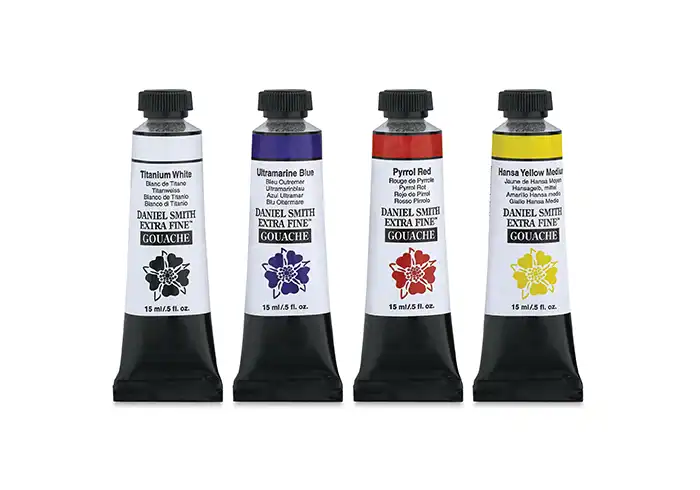
Gouache is sometimes called “opaque watercolor.” It can be used on canvas when properly prepared. This paint offers the flow of watercolor with the coverage of acrylic paint.
Advantages of Gouache Paint
- Opaque and vibrant (unlike traditional watercolor)
- Can be reactivated with water after drying
- Suitable for fine details and graphic styles
- Provides a matte, velvety finish
Limitations of Gouache Paint
- Can crack if applied too thickly
- Not as durable as acrylics or oils
- Best for more minor canvas works
Tips for Using Gouache on Canvas
- Prime canvas with gesso for better sticking
- Use thin layers to prevent cracking
- Seal with varnish to protect the finish
Tempera Paint: Budget-Friendly Option
Understanding Tempera Paint
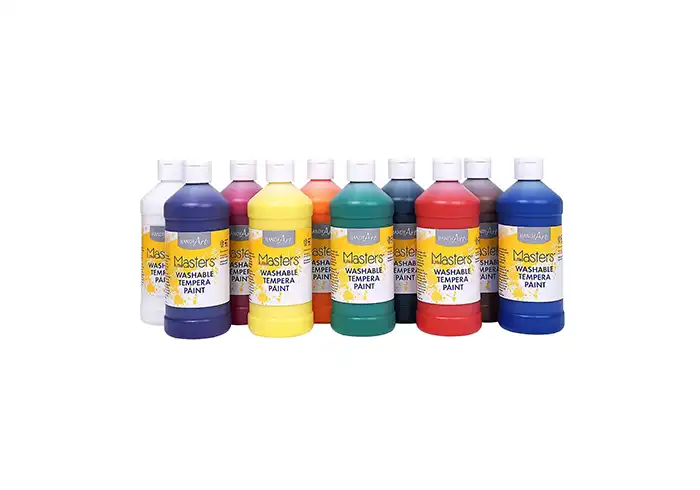
Tempera paint is often used in children’s art projects. Modern acrylic tempera paints offer better sticking power and durability than traditional egg tempera formulas.
When to Use Tempera on Canvas
- Educational settings and art classes
- Practice paintings and studies
- Mixed media projects
- Budget-conscious artists
Advantages of Tempera Paint
- Non-toxic and easy to clean
- Fast drying and inexpensive
- Good for practice work
Limitations of Tempera Paint
- Less permanent than acrylic or oil
- May crack or flake over time
- Limited color mixing abilities
- Not recommended for professional artwork
Tips for Using Tempera on Canvas
- Best for practice or temporary artwork
- Seal with varnish if long-term display is needed
Spray Paint: Bold and Graphic Effects
Understanding Spray Paint on Canvas
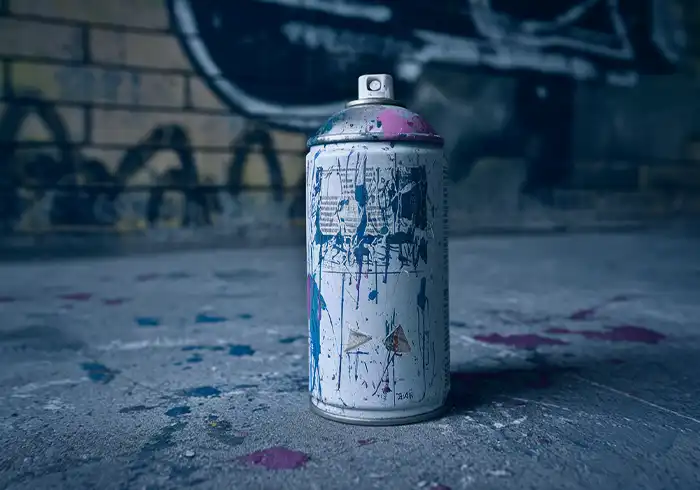
Spray paint works well for street art, stencils, and bold graphic designs. It offers fast application and smooth gradients.
Advantages of Spray Paint
- Fast application and smooth gradients
- Great for large-scale work and textures
- Creates striking, modern looks
Considerations for Spray Paint
- Requires proper ventilation (toxic fumes)
- Harder to control than brush-applied paints
- Need protective equipment
Tips for Using Spray Paint on Canvas
- Use a primer for better sticking
- Work in thin layers to avoid drips
- Seal with clear acrylic varnish for protection
Paint Selection Guide
| Factor | Best Paint Choice |
| Quick Drying | Acrylic, Spray Paint |
| Blendability | Oil Paint |
| Vibrant Colors | Acrylic, Oil, Gouache |
| Budget-Friendly | Acrylic, Tempera |
| Ease of Use | Acrylic, Watercolor (for beginners) |
| Professional Finish | Oil, Acrylic (heavy body) |
Canvas Preparation: Essential Steps
Priming Your Canvas
Proper canvas preparation is necessary regardless of paint type:
- Gesso Application: Apply 2-3 thin coats of acrylic gesso
- Drying Time: Allow each coat to dry completely
- Sanding Between Coats: Light sanding creates a smooth, even surface
- Final Drying: Allow 24 hours between coats for best results
Pre-Primed vs. Unprimed Canvas
Pre-primed canvases offer convenience but may not suit all painting styles.
Unprimed canvas allows for custom preparation but requires more time and knowledge.
Choosing the Right Paint for Your Project
Consider Your Skill Level
Beginners: Start with acrylic paints for ease of use and cleanup
Intermediate: Experiment with different acrylic mediums and techniques
Advanced: Explore oil paints for traditional techniques and extended working time
Project Requirements
Quick turnaround: Choose fast-drying acrylics
Detailed blending: Oil paints offer superior workability
Budget constraints: Student-grade acrylics or tempera paints
Professional artwork: Invest in professional-grade paints for longevity
Paint Quality Factors
Pigment Load and Color Intensity
Higher pigment concentration creates more vibrant, longer-lasting colors. Professional-grade paints typically contain 25-50% more pigment than student-grade paints.
Lightfastness Ratings
Look for paints with high lightfastness ratings (I or II). This ensures your artwork won’t fade over time when displayed.
Consistency and Texture
Different paint thicknesses serve different purposes:
- Thick consistency: Good for impasto and textural effects
- Medium consistency: Best for general painting techniques
- Thin consistency: Perfect for glazing and detail work
Essential Painting Supplies
Brushes for Different Paint Types
- Synthetic brushes: Best for acrylic paints
- Natural bristle brushes: Good for oil paints
- Mixed fiber brushes: A Versatile option for various mediums
Palette and Mixing Tools
- Glass or acrylic palettes: Easy to clean and maintain
- Disposable paper palettes: Convenient for quick projects
- Palette knives: Essential for mixing and applying paint
Common Mistakes to Avoid
Paint Application Errors
- Applying paint to an unprimed canvas
- Using the wrong brush type for your chosen medium
- Not allowing enough drying time between layers
- Poor color mixing techniques
Canvas Preparation Mistakes
- Skipping the priming process
- Using too few gesso coats
- Not allowing proper drying time
- Choosing the wrong canvas texture for your painting style
Specialty Canvas Paints
Fabric Paint on Canvas
Fabric paints work specifically for textile applications. They work well on canvas for decorative projects, clothing customization, or mixed-media artwork.
Acrylic Craft Paint vs. Artist Paint
Craft paints can be used on canvas, but artist-quality paints offer superior pigment load, lightfastness, and archival properties. These qualities are essential for serious artwork.
Maintenance and Longevity Tips
Proper Storage
- Store paintings in a dry, temperature-controlled environment
- Use archival materials for framing and display
- Protect finished works from direct sunlight and humidity
Cleaning and Care
- Use appropriate solvents for your chosen paint type
- Clean brushes immediately after use
- Store paints properly to prevent drying or contamination
Final Recommendations
For Beginners
Start with acrylics—they’re versatile and easy to use. They offer the perfect balance of ease, quality, and professional results.
For Detailed Work
Try oils or gouache for smooth blending and extended working time.
For Soft Effects
Watercolors on properly prepared canvas create dreamy, transparent effects.
For Bold Graphics
Spray paint offers striking, modern looks for contemporary artwork.
Conclusion
The best paint for your canvas depends on your artistic goals, skill level, budget, and project needs. Acrylic paints offer the perfect balance of versatility, ease of use, and professional results for most artists. Oil paints provide traditional techniques and superior blending abilities for those willing to invest time in learning proper methods.
Remember that trying different paint types and techniques is part of the artistic journey. Start with quality materials within your budget. Focus on proper canvas preparation. Don’t be afraid to explore new media as your skills develop.
Whether you choose quick-drying acrylics, traditional oils, or specialty paints for unique effects, proper technique and quality materials will help you create artwork that lasts. Invest in good brushes, prepare your canvas properly, and most importantly, enjoy the creative process of bringing your artistic vision to life on canvas.
More….
- Wall Decor Ideas for Living Room: Modern, Elegant & Cheap Ways to Style Any Space
- 50+ Small Wall Decoration Ideas: Maximizing Tiny & Long Narrow Spaces
- How to Hang Art and Pictures without Nails/Drilling
Want more wall art ideas, room styling tips and first access to new Bruzzen collections? Join the list — free.
Subscribe Free →